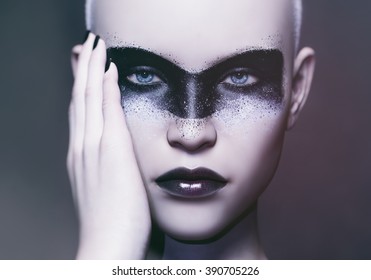
Futuristic Makeup: How Technology Is Revolutionizing Beauty In 2024 And Beyond
What if your foundation could analyze your skin's hydration levels in real-time and adjust its coverage accordingly? What if your lipstick could change color based on your mood or the temperature of your skin? Welcome to the breathtaking world of futuristic makeup, a realm where science fiction meets the makeup bag, transforming daily beauty rituals into high-tech experiences. This isn't just about new shades or longer-wear formulas; it's a fundamental reimagining of what cosmetics are and what they can do for us. The convergence of biotechnology, augmented reality, and sustainable innovation is paving the way for a beauty industry that is smarter, more personalized, and deeply integrated with our digital lives.
The concept of futuristic makeup extends far beyond the aesthetic. It represents a shift from passive products to active, responsive beauty tools. We are moving from a one-size-fits-all approach to a hyper-personalized paradigm where algorithms, sensors, and smart materials create a unique beauty ecosystem for every individual. This article will dive deep into the technologies, trends, and trailblazers defining this new era, exploring how smart beauty tech and AI-powered cosmetics are not just changing our faces but reshaping the entire industry's future.
The Tech Integration Revolution: From Passive Pigments to Active Skincare-Makeup Hybrids
The most significant leap in futuristic makeup is the dissolution of the traditional boundary between skincare and color cosmetics. For decades, these were separate categories. Now, hybrid beauty products are emerging that actively treat the skin while providing coverage and color. This is powered by advancements in biotechnology and material science.
Smart Formulations with Micro-Sensors and Responsive Ingredients
Imagine a foundation containing micro-encapsulated vitamins or hyaluronic acid that release their payloads when they detect specific skin conditions, like dryness or inflammation. Some R&D labs are exploring electroactive polymers—materials that change shape or color in response to electrical stimuli. In theory, this could allow for makeup that subtly adjusts its opacity or hue throughout the day based on environmental factors like UV exposure or pollution levels. While still in prototype stages, this represents the pinnacle of responsive beauty.
Practical Example: Brands like L'Oréal with their Perso device (though more skincare-focused) showcase the direction. It uses AI to analyze skin and environmental data to create a personalized serum. The next logical step is a smart foundation that mixes on-demand from a cartridge system, adjusting coverage, finish (matte vs. dewy), and even undertone based on your daily needs and real-time skin analysis via a paired app.
The Rise of Long-Wear, Adaptive, and Self-Healing Formulas
Technology is also solving age-old makeup frustrations. Self-healing polymers are being developed for lipsticks and foundations that can "re-bond" after smudging or eating, significantly extending wear time without the need for constant touch-ups. Adaptive pigments that shift slightly in different lighting (beyond just iridescent finishes) are being engineered to provide a more consistent, "perfect" look from a dim restaurant to bright sunlight. This isn't just glitter; it's chromogenic technology designed for optical perfection.
Augmented Reality (AR) and Virtual Try-On: The End of the Testers?
The try-before-you-buy experience has been utterly transformed by augmented reality makeup. What started as a fun gimmick in apps like Sephora Virtual Artist or YouCam Makeup is now a sophisticated, mainstream shopping tool, accelerated massively by the pandemic. This is a cornerstone of futuristic makeup accessibility.
How AR Try-On is Changing Consumer Behavior and Retail
Modern AR makeup try-on uses advanced facial mapping and machine learning to track features with startling accuracy. It can simulate how a liquid foundation would actually sit on your skin's texture, not just overlay a color. It can show how a bold eyeshadow palette would look with your eye shape, or how a lip gloss would appear with your specific lip fullness. The statistics are compelling: according to a report by Grand View Research, the global AR and VR in beauty market is expected to grow at a CAGR of 20.4% from 2023 to 2030. This isn't a fad; it's the new standard for discovery.
Actionable Tip for Consumers: To get the most accurate virtual try-on, ensure you're in a well-lit room with a neutral background. Use the "natural light" or "outdoor" setting in the app if available, as it best simulates how pigments will interact with true white light. This technology also allows for extreme experimentation—trying avant-garde futuristic makeup looks like metallic graphic liner or neon blush with zero commitment or product waste.
The Bridge to Physical Product: From Virtual to Purchase
The seamless integration of AR try-on with e-commerce is where the magic happens for brands. A user can try 50 shades of futuristic metallic lip gloss, save their favorites, and purchase with one click. This data is gold for companies, providing insights into color preferences by demographic, region, and even skin tone. It personalizes the journey and reduces return rates, a massive win for sustainability and profit.
Smart Makeup Devices and IoT: Your Makeup Bag Gets Connected
The Internet of Things (IoT) is entering the vanity. Smart makeup devices are no longer science fiction. They represent the physical hardware that brings digital precision to application.
The Connected Beauty Tool Ecosystem
We've seen the rise of the Foreo Luna for skincare cleansing, but the next wave is for makeup. Think of a smart makeup sponge with embedded sensors that vibrate to ensure even distribution or a blush brush that connects to an app to teach you the perfect application technique for your bone structure. LED light therapy masks that treat skin conditions while you relax are a precursor to tools that could, for example, use specific light wavelengths to "set" certain makeup formulas or enhance their luminosity.
Example in Action: While not purely for makeup, devices like the Opte Precision Skincare System use blue LED light and imaging to scan skin, identify hyperpigmentation, and deposit precise amounts of concealer-like serum. This is the blueprint for a futuristic foundation applicator that could scan your face, map imperfections, and apply pigment only where needed, creating a truly "skin-like" finish with minimal product.
Data-Driven Beauty Regimens
These devices collect anonymized data. Over time, your smart compact could learn that your T-zone gets oilier by 2 PM every Thursday (due to your weekly spin class) and preemptively recommend a mattifying primer or blotting sheet. This moves beauty from a reactive to a proactive and predictive practice, deeply personalized to your unique biology and lifestyle.
Sustainability and Lab-Grown Ingredients: The Ethical Core of Futuristic Makeup
True futuristic makeup cannot ignore the climate crisis. The future is clean beauty tech and circular beauty economy. Technology is enabling radical sustainability.
Biotechnology: Growing Color Without Mining
One of the most exciting frontiers is lab-grown pigments and ingredients. Instead of mining mica (often linked to unethical labor practices) or harvesting cochineal insects for carmine, companies are using fermentation technology. By feeding sugar to specific yeast or bacteria strains, they can produce identical natural pigments like reds, purples, and oranges. Biotech companyGinkgo Bioworks partners with beauty brands to create custom fragrances and ingredients this way. For futuristic makeup, this means unlimited, consistent, and ethical color without environmental degradation.
Waterless Formulas and Solid Beauty Tech
The waterless beauty movement is a direct response to water scarcity. Solid shampoo bars were the first wave. Now, solid foundation sticks, powder-to-foam cleansers, and water-activated serums (where you add the water at home) are reducing packaging and carbon footprint. 3D-printed makeup on-demand is another futuristic concept, eliminating mass production, shipping, and waste by printing a single custom blush pod at a store when you need it.
Stat to Note: The Ellen MacArthur Foundation reports that the beauty industry produces over 120 billion units of packaging annually, most of it not recyclable. Futuristic, tech-driven sustainability aims to slash this number through concentrates, refill systems, and novel materials like biodegradable glitter made from plant cellulose.
The Influencers of Tomorrow: Digital Avatars and CGI Makeup
The rise of the metaverse and digital identities has given birth to a new class of futuristic makeup artists and influencers who exist solely or primarily online. Their canvas is a CGI avatar, and their medium is digital makeup.
Virtual Makeup Artists and Digital Fashion
Creators like Miquela (a CGI influencer) and artists on platforms like Roblox and Fortnite are designing digital-only makeup collections. Users can purchase these "skins" for their avatars. This blurs the line between physical and digital consumption. Major brands like NARS and Rare Beauty have launched collections in these virtual worlds. For the physical world, this drives trends—the graphic eyeliner or holographic highlighter that first went viral in a video game or on an avatar often hits the runway and then the high street.
AI as a Creative Partner
AI image generators like Midjourney and DALL-E are being used by makeup artists to brainstorm futuristic makeup concepts that are impossible in reality—living, moving makeup, or light-emitting pigments. These digital sketches then inspire physical product development. The feedback loop between digital imagination and physical creation is faster and more boundless than ever before.
What's Next? Predictions for the Next Decade of Futuristic Makeup
Where is all this heading? The next 5-10 years will see the futuristic makeup trends of today become mainstream products.
The Era of Hyper-Personalization and On-Demand Manufacturing
AI skin analysis via your smartphone camera will become standard. It will not just identify dryness or wrinkles but analyze your skin's microbiome, pH, and even stress hormones through non-invasive spectroscopy (still in research). This data will feed directly to a personalized makeup printer in a store or even your home, which will mix foundation in your exact shade and desired finish (SPF 30, dewy, medium coverage) in seconds. Subscription boxes will be replaced by dynamic, algorithm-curated monthly formulas that adapt to your skin's changing needs with the seasons.
Biometric Integration and Makeup as a Health Monitor
This is the most sci-fi frontier. Makeup with biosensors. Research is underway into wearable patches that monitor glucose or hydration. The next step is integrating such sensors into a facial mask or foundation. Could your futuristic foundation subtly change color if your skin's hydration drops below a certain level, acting as a visual health cue? Could a lip product contain compounds that change taste or scent if your body is under stress? The makeup becomes a passive health monitor, blending beauty with wellness in an intimate, non-intrusive way.
The Democratization of High-Tech Beauty
Initially, futuristic makeup tech will be premium. However, as with all technology, costs will decrease. AR try-on is already free on most brand apps. We can expect affordable smart tools and eventually, drugstore brands offering personalized options through partnerships with tech companies. The goal is to make intelligent, sustainable, and effective beauty accessible to all, not just a luxury niche.
Conclusion: Embracing the Beautiful, Intelligent Future
Futuristic makeup is not a distant dream; it is a rapidly evolving reality being built in labs, startups, and the creative digital spaces we inhabit every day. It promises a future where beauty is profoundly personal, where products are intelligent partners in our self-care, and where our choices are guided by sustainability and ethics as much as by aesthetics. The journey from the first tube of mascara to AI-blended custom foundation has been long, but we are now accelerating at an unprecedented pace.
The key takeaway is that technology is empowering the consumer like never before. With AR try-on, you can experiment fearlessly. With data-driven insights, you can understand your skin deeply. With lab-grown ingredients, you can make ethical choices without compromise. The futuristic makeup revolution is about agency, personalization, and responsibility.
So, the next time you swipe on your lipstick or blend your foundation, ask yourself: what could this product do for me that it doesn't already? The answer is coming, faster than you think. The future of beauty isn't just about looking good—it's about smart, sustainable, and deeply personal expression. It's here, and it's brilliantly, intelligently, beautiful.